artwork info | song info | legend | lyrics
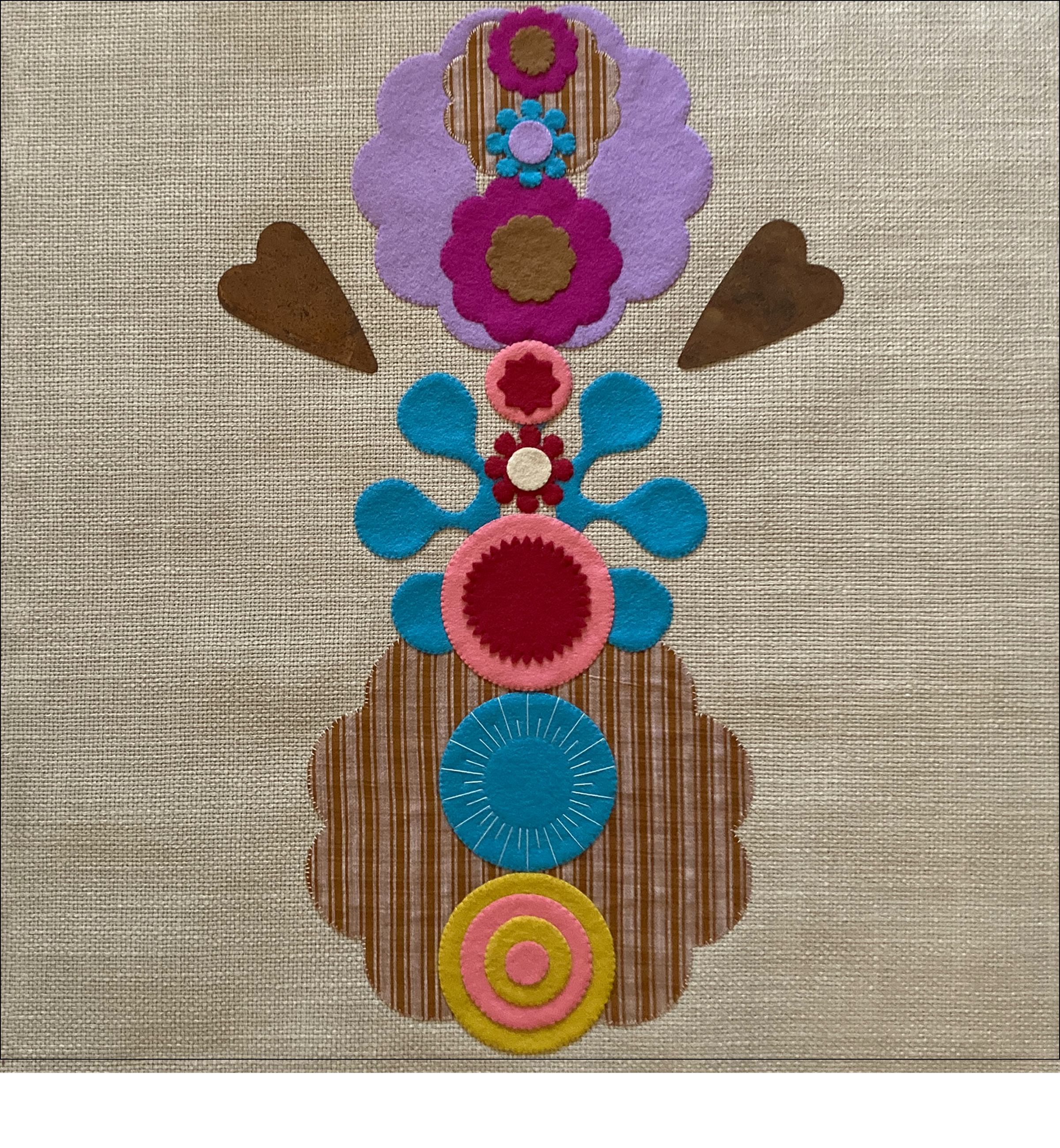
artwork info
textile collage on cradled wood panel (felt, fabric, steel hearts)
24″H x 24″W x 1.5″D
2025
$650
song info
category ▸ Other Folk Songs
text and music ▸ Jóhann Sigurjónsson (1911)
listen here 🔈 https://www.youtube.com/watch?v=hN9JNws8Z2M
“Sofðu unga ástin mín” is a lullaby written by Jóhann Sigurjónsson (1880–1919) for his play Fjalla-Eyvindur (The Outlaw), based on the real-life story of fugitive outlaw Eyvindur Jónsson and his wife, Halla. In the play, when the couple are at risk of being captured, Halla makes the agonizing decision to throw their baby into a waterfall to prevent its cries from revealing their hiding place. Before committing this act, she sings “Sofðu unga ástin mín” to the child. (The veracity of this part of the story is unknown.)
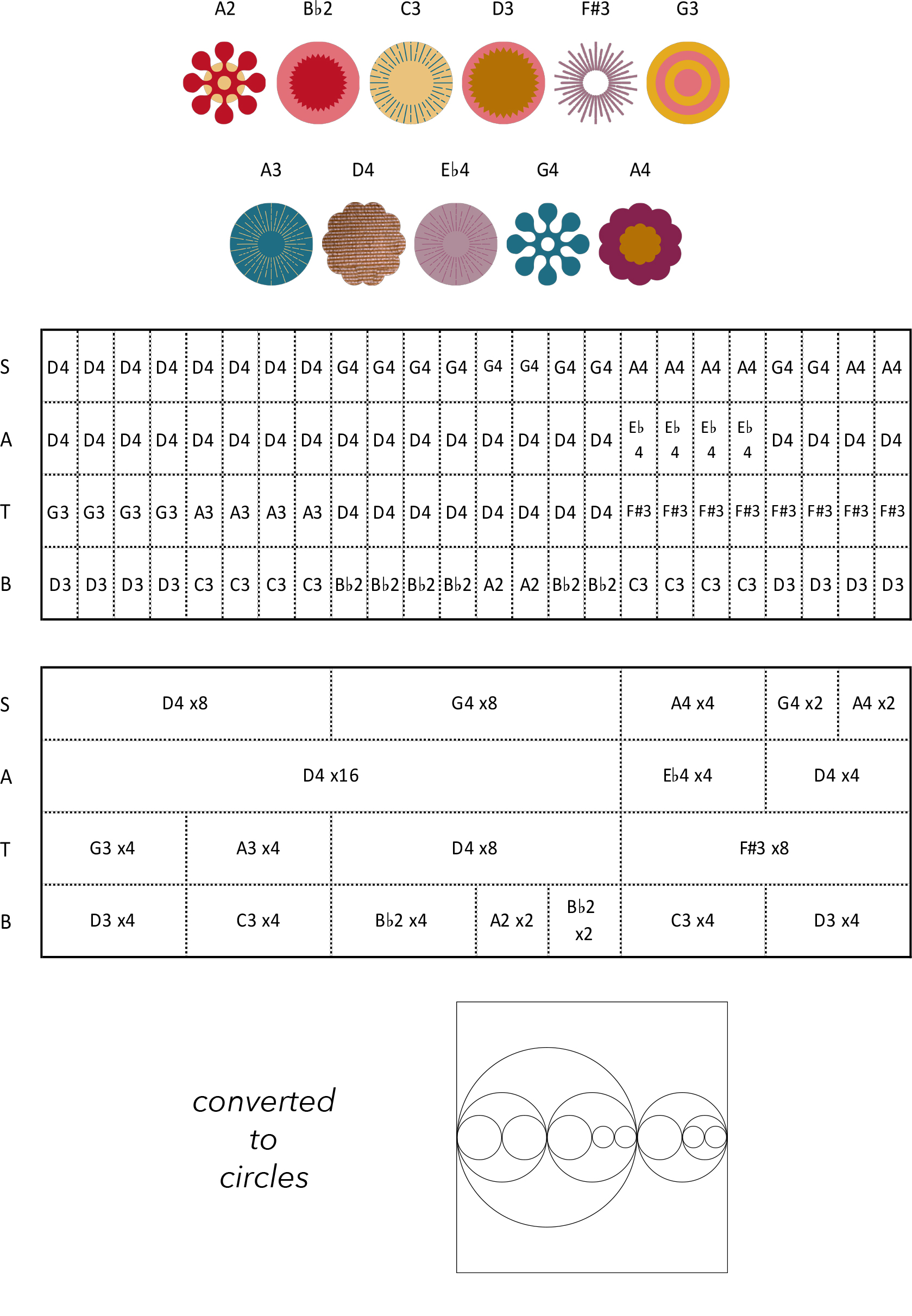
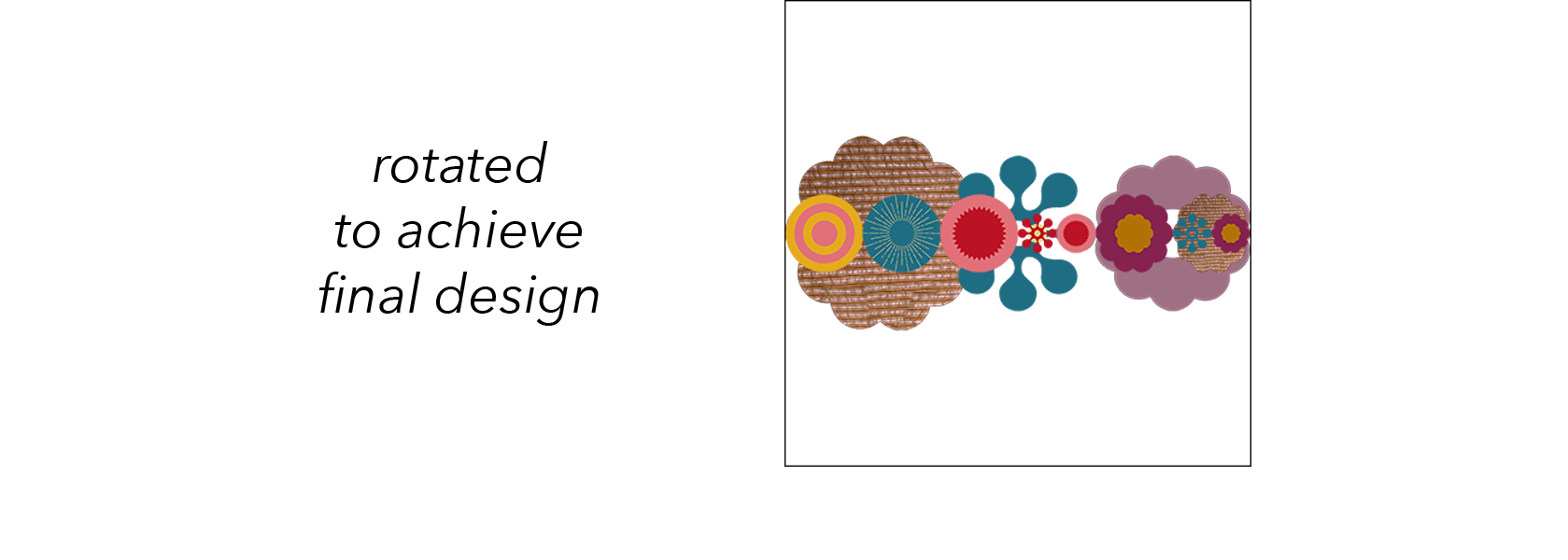
Sofðu unga ástin mín
Sofðu unga ástin mín.
Úti regnið grætur.
Mamma geymir gullin þín,
gamla leggi og völuskrín.
Við skulum ekki vaka um dimmar nætur.
Það er margt sem myrkrið veit,
minn er hugur þungur.
Oft ég svarta sandinn leit
svíða grænan engireit.
Í jöklinum hljóða dauðadjúpar sprungur.
Sofðu lengi, sofðu rótt,
seint mun best að vakna.
Mæðan kenna mun þér fljótt,
meðan hallar degi skjótt,
að mennirnir elska, missa, gráta og sakna.
English translation
Sleep my little love
Sleep my little love.
Outside the rain is weeping.
Mommy keeps watch over your gold,
old leg bones* and a little treasure chest.
Let’s not stay awake through dark nights.
There is much that darkness knows,
my mind is heavy.
Often I’ve seen the black sand
scorching green meadows.
In the glacier rumbles deadly-deep cracks.
Sleep long, sleep tight,
it’s best to wake up late.
Hardship will teach you soon,
while the day becomes night,
that the people love, lose, cry and mourn.
*refers to sheep bones that were used for playing “farm.” The ankle bone was also thrown like a die to answer yes/no questions (if the hollow part of the bone landed facing up, the answer was no; if facing down, yes).
Lyrics reproduced under fair use for artistic commentary.